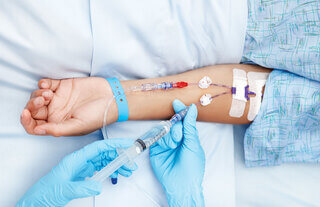
Nurses often need to insert IV catheters, draw blood, and administer medications or fluids directly into the veins of their patients. However, finding a suitable vein can sometimes be difficult, especially in patients with small or hard-to-locate veins. This can lead to multiple attempts at venipuncture, which can be uncomfortable and painful for the patient, as well as time-consuming and frustrating for the nurse.
By using a vein finder, nurses can easily locate suitable veins and avoid unnecessary needle sticks or other complications. This not only helps to improve patient care and satisfaction but also saves time and resources for the healthcare facility.
Why nurses need vein finders?
A vein finder is easy to use and has become a must-have tool for any medical professional who needs to find a vein to draw blood or give an IV injection.
● Blood sample collection: The vein finder would make it easy for a phlebotomist to find a vein, avoid a pre-analytical error, and keep the patient from feeling pain.
● Cannulation: Cannulation is hard to do because of the problems during the process. Finding a vein can be challenging if a person is dehydrated, overweight, has low blood pressure, the vein site has been used for drugs, there is a skin rash on the site, or the person doing the procedure isn't skilled enough, among other things. A vein finder can help ease the cannulation process and ensure the needle goes in the first time.
Benefits of using vein finder for nurses
- Improved patient comfort: Using a vein finder can help nurses locate veins more easily and accurately, reducing the number of needle sticks and resulting in less pain and discomfort for the patient.
- Increased efficiency: A vein finder can help nurses locate veins quickly and accurately, reducing the time it takes to perform procedures such as IV placement or blood draws.
- Reduced risk of complications: By using a vein finder, nurses can avoid accidental punctures or damage to nearby structures such as arteries or nerves, reducing the risk of complications.
- Improved patient safety: A vein finder can help nurses avoid using a vein that may be too small or unsuitable for the intended procedure, reducing the risk of complications or adverse events.
- Greater job satisfaction: By using a vein finder, nurses can feel more confident in their ability to perform procedures, leading to greater job satisfaction and less stress.
Overall, a vein finder can be a valuable tool for nurses, helping to improve patient comfort and safety while increasing efficiency and reducing the risk of complications.
Which is the best vein finder for nurses?
There are several types of vein finders available in the market that can be helpful for nurses to locate veins for medical procedures. The best vein finder for nurses depends on their specific needs and preferences. Some of the popular vein finders for nurses are:
1) AccuVein AV400:
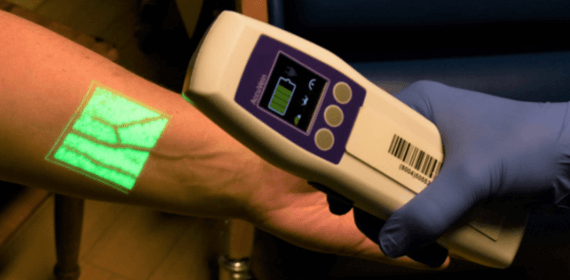
This vein finder uses near-infrared technology to highlight veins on the surface of the skin and is a popular choice among nurses.
The AccuVein AV400 is a medical device that uses infrared technology to detect and visualize veins in a patient's body. It is a popular vein finder among nurses and other healthcare professionals due to its accuracy and ease of use.
One of the primary benefits of the AccuVein AV400 for nurses is its ability to improve patient care. By quickly and accurately locating veins, nurses can reduce the number of needle sticks and improve the success rate of IV insertions. This leads to a more positive patient experience and can reduce the risk of complications.
2) Lite 2.0 Vein Finder
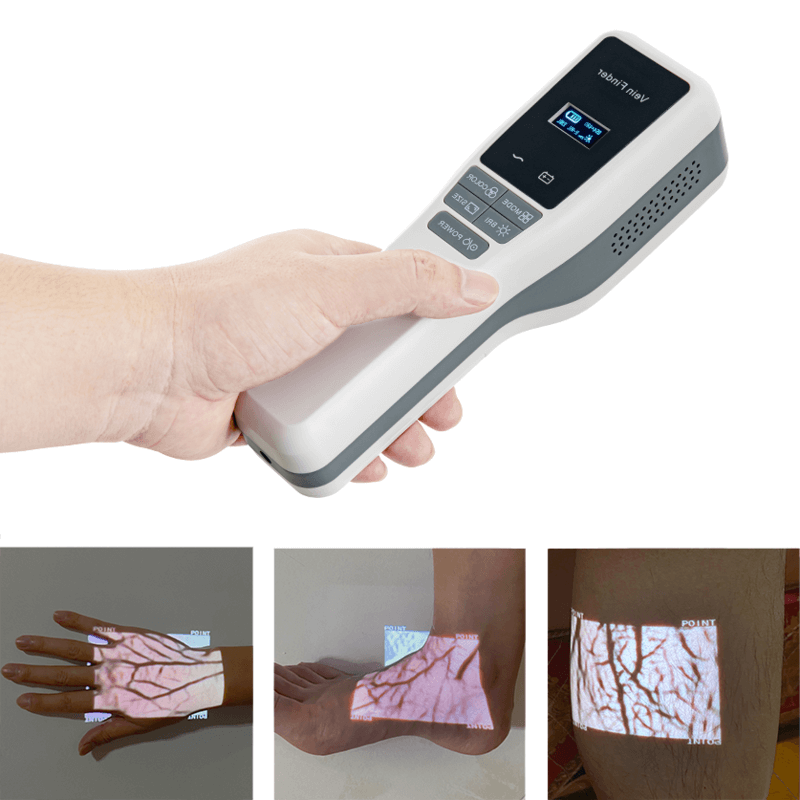
The Lite 2.0 Vein Finder is a hospital-grade infrared vein finder that can be particularly useful for nurses who need to locate veins quickly and accurately. The device utilizes infrared light to detect veins beneath the skin, making them clearly visible to the user.
One of the main benefits of the Lite 2.0 Vein Finder for nurses is that it can significantly reduce the time it takes to locate veins, which can be particularly important in emergency situations. The device also helps to minimize discomfort for patients, as it can reduce the number of needle sticks required to locate a vein.
In addition, the Lite 2.0 Vein Finder is lightweight and portable, making it easy for nurses to carry with them from one patient to another. It also has a long battery life, allowing for extended use without needing to recharge.
By the way, its price is only one-third of accuvein, definitely the most cost-effective vein finder.
3) Max 3.0 vein finder:
The Max 3.0 vein finder is an FDA-approved medical device. It's easy to use, with a simple one-button operation and a clear, high-resolution display. The device is portable and lightweight, making it easy for healthcare professionals to use in a variety of settings, including hospitals, clinics, and mobile medical units.
Hospitals and nurses need vein finders that are approved by the Food and Drug Administration (FDA) in order to ensure the safety and efficacy of the device.
By using an FDA-approved vein finder, hospitals and nurses can trust that the device is safe and effective for use on patients. It also helps to reduce the risk of complications or adverse events associated with the use of medical devices. Additionally, FDA approval can provide reassurance to patients who may be concerned about the safety and effectiveness of the device being used on them.
In summary, it is important for hospitals and nurses to use FDA-approved vein finders to ensure patient safety, device effectiveness, and to comply with regulatory standards.
4) Veinlite:
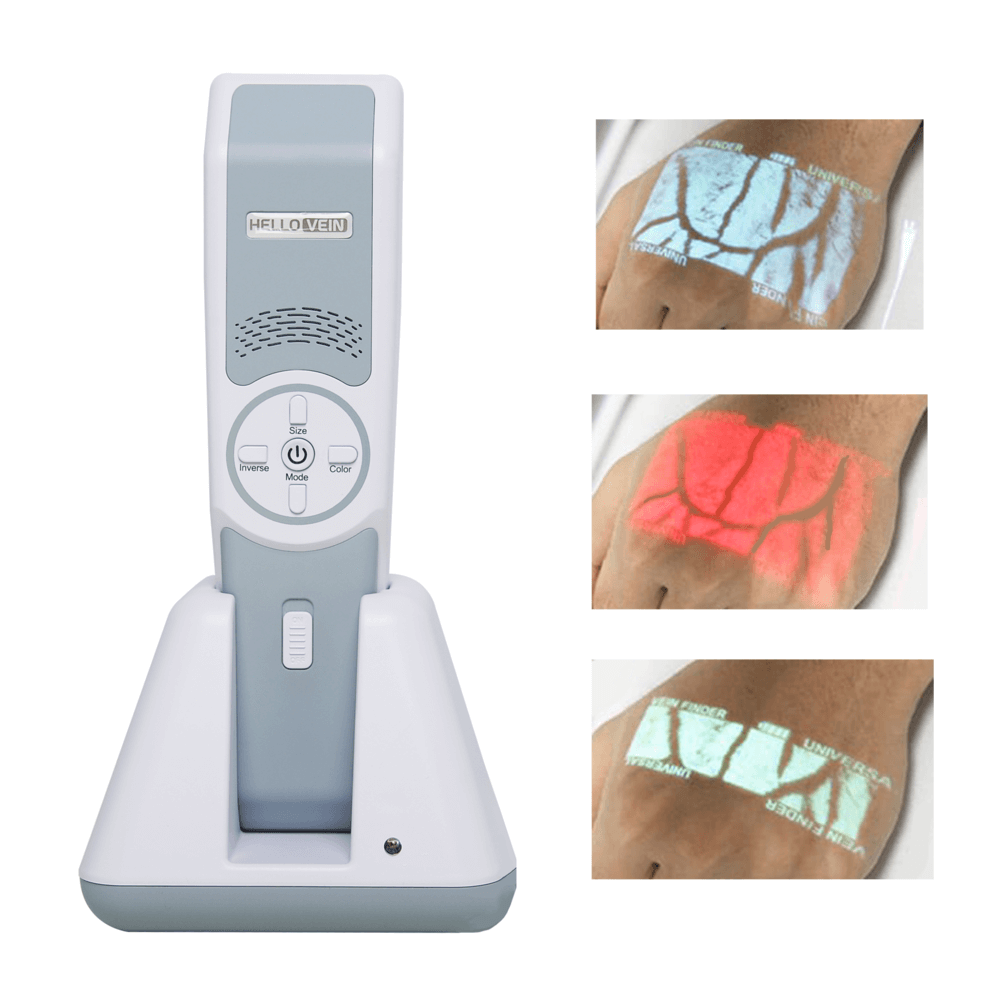
Veinlite is a portable vein finder that uses LED lights to illuminate veins. It is lightweight and easy to use.
It is designed to be easy to use and can be operated with one hand, making it ideal for nurses who need to quickly and accurately locate veins in patients. Additionally, Veinlite has several models with different features to meet the specific needs of healthcare professionals, including nurses. For example, the Veinlite LED+ model has a larger viewing area and a rechargeable battery, making it more convenient for use in busy hospital environments.
5) VeinViewer:
VeinViewer is a vein finder that uses near-infrared light to display veins on the surface of the skin. It is portable and provides accurate results.
VeinViewer is a medical device that uses near-infrared light to detect veins in real-time, creating a visual map of the veins on the skin surface. It was developed by Christie Medical Holdings, Inc., and is now a subsidiary of the global medical technology company, Christie Digital Systems. The device is designed to help medical professionals, including nurses, phlebotomists, and physicians, locate veins quickly and accurately, reducing the need for multiple needle sticks and minimizing patient discomfort. VeinViewer is non-invasive, does not use radiation, and is considered safe for all patient populations, including neonatal and pediatric patients.
6) Aimvein:
Aimvein is a brand of vein finder that offers several different models of vein visualization devices. The Aimvein vein finder uses infrared light technology to display a real-time image of the veins on the surface of the skin. This allows medical professionals to quickly locate the veins and choose the best site for the procedure, reducing the need for multiple needle sticks and ultimately improving patient satisfaction. The Aimvein vein finder is also portable, making it easy to use in a variety of clinical settings.
Ultimately, the best vein finder for nurses is one that is easy to use, accurate, and reliable in different lighting conditions and skin tones. It is recommended to consult with healthcare professionals or try out different models before making a final decision.
Consider these things before buying a vein finder
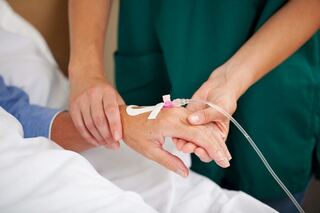
When choosing a vein finder, nurses should pay attention to several important factors to ensure that they select a device that meets their needs and improves patient care. Here are some key considerations:
- Ease of Use: The vein finder should be easy to use and intuitive, so that nurses can quickly and efficiently locate veins without significant training or extensive user manuals.
- Accuracy: The vein finder should be accurate in locating veins, minimizing the need for multiple attempts and reducing patient discomfort.
- Portability: Nurses should consider the size and weight of the device, as well as its power source, to ensure that it is easily portable and can be used in a variety of settings.
- Imaging Technology: The vein finder should use advanced imaging technology that can clearly visualize veins, making it easier for nurses to locate and access them.
- Safety: The vein finder should be safe to use on patients of all ages, and should not pose any risk of injury or discomfort.
- Cost: Nurses should consider the cost of the vein finder, including any ongoing maintenance or replacement costs, to ensure that it fits within their budget.
By taking these factors into consideration, nurses can select a vein finder that best meets their needs and improves patient care.

Conclusion
You can start looking for a vein finder now that you know what to look for. If you want the best
nurse vein finder, you might consider buying it online. There are a lot of good reasons to buy it online.
First, it will be easy for you to compare different items. Second, you can find the best prices on the product. Third, you can have the product sent right to your front door.
When you buy a vein finder online, you should only do so from a seller with a good reputation. This will help make sure you get a good product. You should also ensure that the seller will give you your money back if something goes wrong. This will let you return the product if it doesn't live up to your expectations.
If you need advice on where to buy vein finders online, we recommend that you check out HelloVein Finder Technology, which is one of the most trusted companies in this field.